Your AI Will Fail. Your Operators Won't Know How to Run Without It.

---
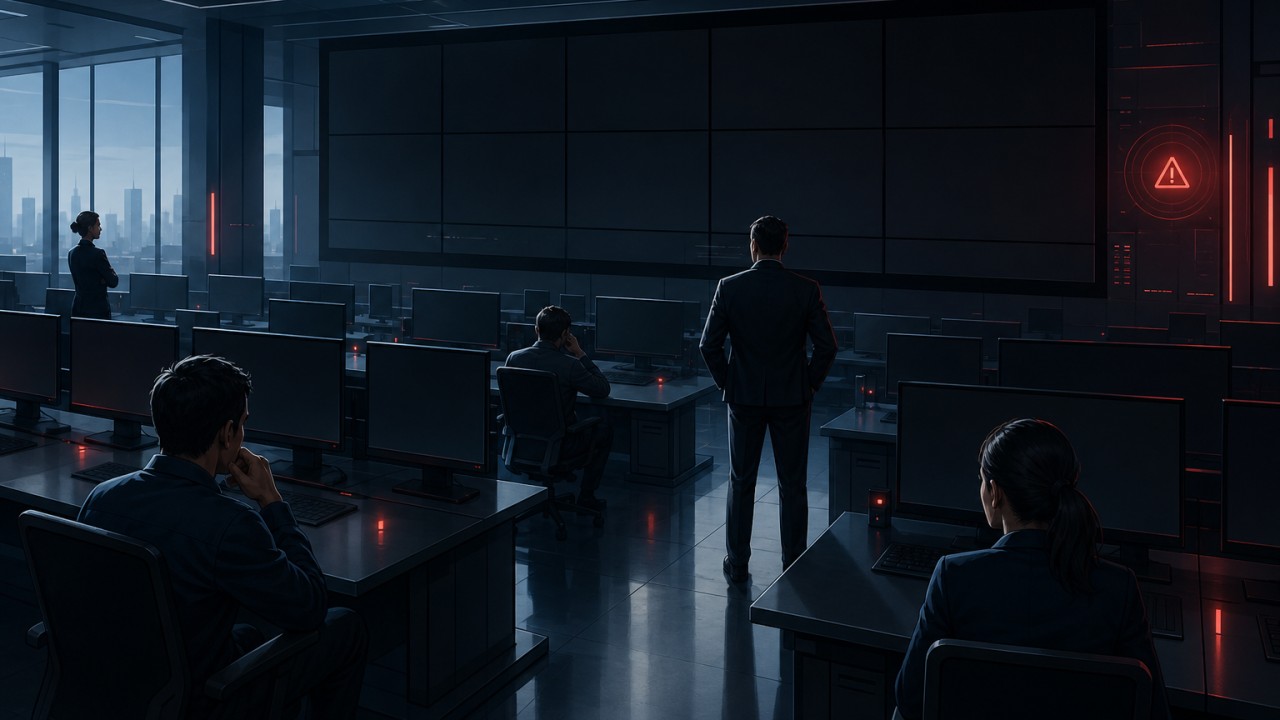
The system goes down. Not an incremental drift or a gradual performance decline — a true failure. The model deployment fails. The inference endpoint is unreachable. The upstream data pipeline breaks. For the first time in months, operators must run the workflow without AI assistance.
They freeze. Not because they are incompetent. Because they cannot remember how.
This is the hidden dependency of AI-augmented workflows. The system does not just accelerate existing processes. It reshapes them. And when the system disappears, the original process is no longer intact. The context, the muscle memory, the troubleshooting instincts that operators once had for the manual workflow have degraded through disuse.
The Skill Fade That Happens Quietly
Every organization that deploys AI experiences skill fade. The operator who previously made independent decisions now reviews and validates. The analyst who once constructed classifications from raw data now confirms or corrects automated suggestions. The decision-maker who weighed competing signals now evaluates whether the system's recommendation is reasonable.
Each of these is a different skill. Reviewing is not the same as producing. Validating is not the same as analyzing. Confirming is not the same as deciding. Over months of operating in AI-augmented mode, the original capabilities fade without anyone noticing, because the system never fails.
When the system does fail, the gap becomes visible immediately. Operators lack the recent practice needed to produce outputs at speed. They lack the mental models built through repeated exposure to edge cases. They lack the confidence to make decisions without an algorithmic safety net.
Organizations that experience this pattern recognize it from three symptoms:
Decision paralysis. Operators stop and wait for direction rather than exercising judgment. They have been trained to validate, not to originate. Without an output to validate, they have nowhere to start.
Volume shock. The manual process that used to handle ten cases per hour must now handle a hundred. Even if operators retain the skill, they lack the process infrastructure — templates, lookups, shortcuts — that the AI replaced.
Process amnesia. The original workflow documentation is out of date. The escalation paths assumed the AI was present. The manual fallback plan was never rehearsed. Operators are not only missing skills. They are missing the process itself.
The test of an AI-augmented workflow is not how well it runs when the system is available. It is whether the organization can survive the hours, days, or weeks when the system is not.
The Black Start Problem for AI Systems
Power utilities have a concept called black start capability — the ability to restart a grid that has gone completely dark without drawing power from another grid. It is a designed capability that requires training, equipment, and regular rehearsal. Without it, a grid outage cannot be recovered from.
AI-augmented operations need their own version of black start capability. Not an automated failover. A manual one. The ability for operators to run the workflow independently, at reduced throughput, using fallback procedures that have been documented, rehearsed, and maintained. This is not disaster planning. It is operational continuity.
Most organizations skip this. The recovery plan is "wait for the system to come back up." But systems do not always come back up quickly. Model drift after a retraining failure can take days to diagnose. Data pipeline breaks can take weeks to repair. Third-party API deprecations can force months of reimplementation. In the meantime, operations must continue.
Designing for Operability, Not Just Availability
Operability means the system can be operated by humans under degraded conditions. It requires:
Maintained manual procedures. The documented fallback workflow must be tested at least as often as the automated workflow. If operators cannot demonstrate that they can run the process manually within the required time, the fallback does not exist.
Rotated operator roles. Operators who only validate never retain the skill to produce. Regular rotation — manual weeks or scheduled practice runs — keeps the cognitive pathways alive.
Graceful ramp-down. When the system begins to fail, the transition to manual operations should be staged, not sudden. A system that degrades step by step gives operators time to adjust. A system that collapses without warning leaves them no foundation.
The resilience of an AI-augmented operation is determined by what happens during the gaps. Not during normal operations. The gaps will come. The question is whether the operators who fill them will know what to do.
If your AI system went down for a week, would your team be slower, or would they be unable to operate?
Think this argument fits your event? Tell me about the room — the calendar is selective.
Start a conversation