Escalation Is Not Failure

Escalation Is Not Failure
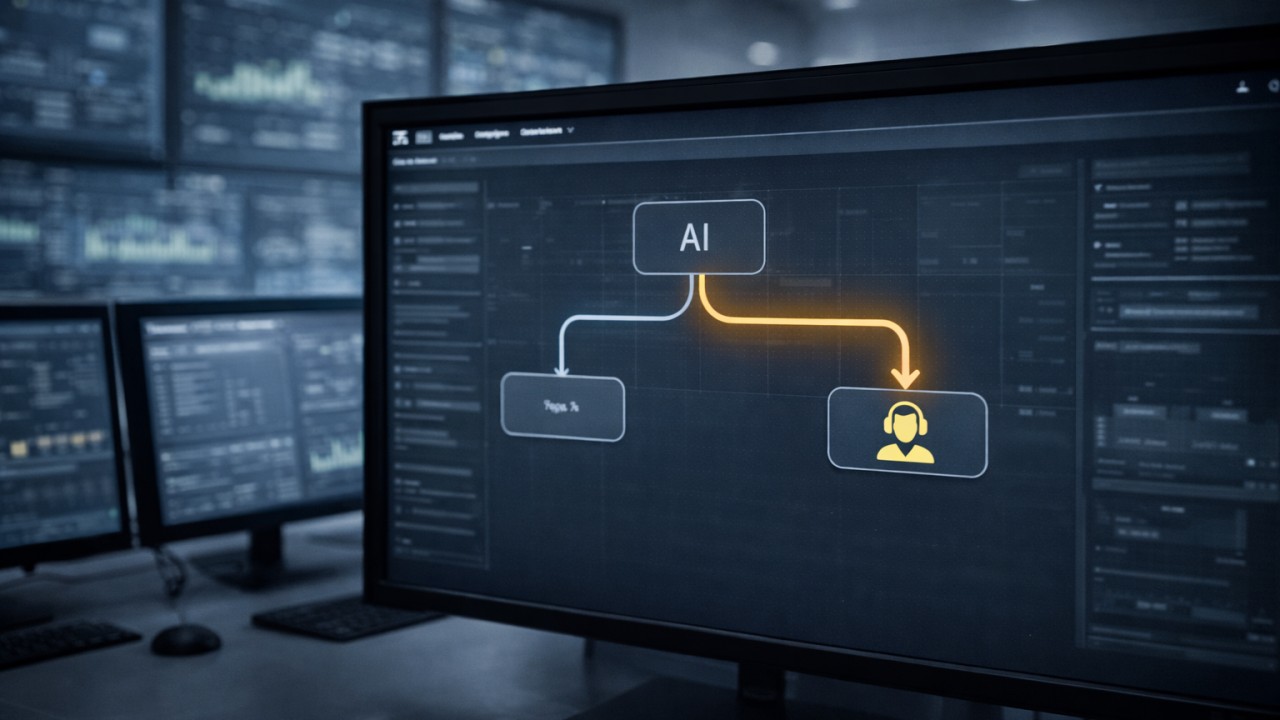
Escalation is often treated as a breakdown in execution. Something went wrong. Someone did not anticipate an edge case. A system failed to resolve an issue on its own. In practice, escalation is usually a sign that a system has reached the edge of its authority, not the limit of its capability.
The problem is not that escalation exists. It is that many organizations design systems—human and machine alike—to avoid it.
AI systems are especially sensitive to this pressure. They are deployed to reduce load, increase speed, and handle volume without constant human involvement. Escalation feels like a step backward. Each handoff is interpreted as inefficiency, even when it is the correct response to uncertainty or risk.
Over time, systems learn what is expected of them. When escalation is penalized, delayed, or ignored, AI is implicitly encouraged to continue acting past the point where it should stop. Autonomy expands not because it was deliberately granted, but because escalation pathways were never treated as part of normal operation.
This creates a fragile equilibrium. Everything works smoothly as long as conditions remain familiar. When the system encounters ambiguity, novelty, or conflicting signals, it does not escalate. It persists. From the outside, this looks like competence. From the inside, it is drift.
Human operators recognize this pattern quickly. They learn that escalations are costly—not just in time, but in reputation. Alerts are tuned down. Warnings are reframed. Intervention is delayed until certainty is high enough to justify the interruption. By then, the system has already moved.
Reframing escalation as a success condition changes this dynamic. In mature systems, escalation is evidence that boundaries are working. It means the system recognized a limit and handed control to the appropriate owner. The cost of interruption is accepted as lower than the cost of silent failure.
This requires explicit design. Escalation paths must be fast, legitimate, and well-owned. They cannot rely on heroics or informal knowledge. When escalation works, it should feel routine, not exceptional.
Just as importantly, escalation must be reversible. Once context is restored or uncertainty resolved, control should return smoothly to the system. Escalation is not abdication. It is a temporary redistribution of responsibility.
AI systems that escalate early fail less dramatically. Organizations that normalize escalation detect issues while they are still small. The absence of escalation is not a sign of health. It is often a sign that limits are being ignored.
The real question is not whether your AI escalates. It is whether escalation is treated as a defect—or as proof that the system knows where it ends.
Think this argument fits your event? Tell me about the room — the calendar is selective.
Start a conversation